Planning a trip to witness the Northern Lights, or Aurora Borealis, involves significant investment in time and resources. Maximizing your chances of success requires understanding the science behind the phenomenon and selecting locations and timings that offer the highest probability for viewing. This guide details the critical factors influencing aurora visibility and outlines prime destinations, helping you make informed decisions for a successful and memorable experience.
Understanding the Aurora Borealis
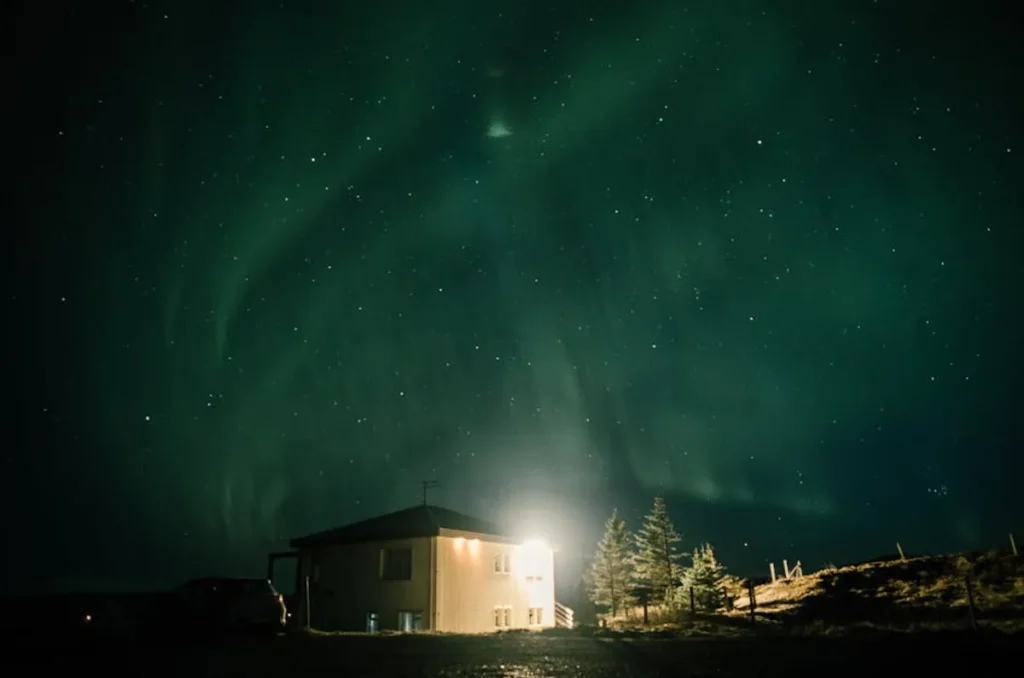
The Aurora Borealis occurs when charged particles from the sun, ejected during solar flares and coronal mass ejections, collide with gases in Earth's atmosphere. These collisions excite atmospheric atoms, causing them to emit light, typically green and sometimes pink, red, or violet, at altitudes ranging from 60 to 200 miles above the Earth's surface. The intensity and frequency of these displays are directly linked to solar activity, which follows an approximately 11-year cycle. Currently, solar activity is increasing, moving towards a predicted peak in 2025, suggesting enhanced viewing opportunities in the coming years.
Key Factors for Optimal Viewing
Kp-index and Solar Activity
The Kp-index is a measure of geomagnetic activity, ranging from 0 to 9. A higher Kp-index indicates more intense geomagnetic storms and, consequently, a greater likelihood of visible auroras. While a Kp-index of 3 or higher can often produce visible lights in aurora zones, exceptional displays typically require a Kp of 5 or more. Monitoring space weather forecasts from sources like NOAA's Space Weather Prediction Center provides advance notice of potential activity.
Weather Conditions and Cloud Cover
Clear, dark skies are paramount for aurora viewing. Even with high solar activity, heavy cloud cover will obscure any display. Locations known for stable, clear weather patterns during winter months offer a significant advantage. Inland locations, away from coastal humidity, often experience more consistent clear skies.
Light Pollution Avoidance
Artificial light sources, from city streetlights to residential areas, diminish the visibility of the Northern Lights. Traveling to remote areas, away from major population centers, is crucial for experiencing the full spectacle. Many prime viewing locations are situated in national parks or designated dark sky reserves.
Time of Year Considerations
The aurora season typically runs from late August to April in the Northern Hemisphere. During these months, the nights are long and dark enough for the lights to be visible. The period around the equinoxes (September and March) can sometimes see increased geomagnetic activity. However, the depth of winter (December to February) offers the longest hours of darkness and often the coldest, clearest skies, making it a popular choice despite the extreme temperatures.
Top Destinations for Northern Lights Viewing
Selecting the right destination is critical. Each location offers distinct advantages regarding accessibility, infrastructure, and unique viewing experiences.
Tromsø, Norway
Best for: Accessibility, organized tours, coastal scenery.
Tromsø, located at 69°N latitude, is often considered a gateway to the Arctic. It benefits from direct flights and a robust tourism infrastructure, including numerous tour operators offering bus, boat, and dog-sledding aurora chases. Its coastal location means milder temperatures than inland areas, but also a higher chance of cloud cover. Proximity to the Gulf Stream moderates winter temperatures, making it more comfortable for extended outdoor viewing.
Abisko, Sweden
Best for: Consistent clear skies, "Blue Hole" phenomenon.
Situated in a valley in Swedish Lapland, Abisko is renowned for its "Blue Hole" – a patch of sky that often remains clear even when surrounding areas are cloudy. This microclimate effect significantly increases viewing probabilities. The Aurora Sky Station, accessible by chairlift, offers an elevated, light-pollution-free vantage point. It is less accessible than Tromsø, typically requiring a train or bus transfer from Kiruna airport.
Reykjavík, Iceland
Best for: Combining aurora viewing with other attractions, relatively easy access.
Iceland's capital provides a convenient base for aurora hunting, especially for those who wish to combine it with other activities like exploring the Golden Circle or Blue Lagoon. While Reykjavík itself has light pollution, numerous tours depart nightly to darker areas just outside the city. Its lower latitude (around 64°N) means a slightly lower frequency of intense displays compared to more northerly locations, but its accessibility often makes it a preferred option for first-time aurora chasers.
Fairbanks, Alaska, USA
Best for: High frequency of strong displays, interior location.
Fairbanks sits within the "aurora oval," a band around the geomagnetic pole where aurora activity is most concentrated. Its interior continental climate results in cold, dry air and frequently clear skies, especially from September to April. The city offers numerous viewing lodges and heated shelters, and many tour operators provide wake-up calls when the lights appear. Its isolation means longer travel times but often rewards with spectacular, unhindered views.
Yellowknife, Northwest Territories, Canada
Best for: High probability of viewing, dedicated aurora observatories.
Yellowknife, at 62°N, also lies directly under the aurora oval. It boasts some of the highest aurora viewing probabilities globally, with estimates suggesting visibility on over 240 nights per year. The city is home to dedicated aurora villages and observatories that provide comfortable viewing facilities, including heated tipis and cabins. Its remote location necessitates specific flight arrangements, but the consistent viewing opportunities are a major draw.
Rovaniemi, Finland
Best for: Family-friendly activities, glass igloo accommodations.
Rovaniemi, the official hometown of Santa Claus, offers a unique blend of aurora chasing and winter wonderland experiences. While its latitude (66°N) is favorable, its popularity stems from its comfortable infrastructure and unique accommodations like glass igloos, allowing for aurora viewing from bed. It's a popular choice for those seeking a broader winter holiday experience alongside aurora hunting.
Pro Tip: Build flexibility into your itinerary. Aurora displays are natural phenomena and cannot be guaranteed. Plan for at least three to five nights in a prime viewing location to increase your chances, and consider booking refundable tours or accommodations. Having a backup plan for daytime activities is also crucial, especially if weather conditions prevent viewing.
Planning Your Northern Lights Trip
Careful preparation significantly enhances the experience and comfort of an aurora trip:
- Warm Clothing: Layering is essential. Include thermal base layers, fleece mid-layers, a waterproof and windproof outer shell, insulated boots (rated to -20°C or colder), warm gloves or mittens, and a hat that covers your ears.
- Camera Gear: A DSLR or mirrorless camera with a wide-angle lens (f/2.8 or faster), a sturdy tripod, and extra batteries (cold drains power quickly) are recommended for photography.
- Transportation: Consider renting a 4x4 vehicle if you plan to self-drive to remote viewing spots, or book organized tours which often include transport and experienced guides.
- Accommodation: Research options ranging from hotels and cabins to specialized aurora lodges or glass igloos. Book well in advance, especially for peak season.
- Local Guides: Guides often have real-time access to weather data and local knowledge of the best viewing spots, significantly increasing your success rate.
Maximizing Your Viewing Opportunities
Beyond location and timing, proactive steps can improve your chances. Download aurora forecasting apps for real-time Kp-index and cloud cover updates. Be prepared to stay up late or wake up in the middle of the night; the lights can appear at any time after dark. If self-driving, identify multiple dark sky locations in advance. Patience is key; sometimes the best displays occur after hours of waiting.
Final Considerations for a Successful Trip
Understanding that the Northern Lights are a natural spectacle, and therefore unpredictable, is crucial. While this guide provides strategies to maximize your chances, a guarantee is impossible. Focus on the overall experience of visiting an Arctic or sub-Arctic region, enjoying the unique culture, landscapes, and winter activities. This approach ensures a rewarding trip, whether the aurora graces the sky or not. Prepare for cold, embrace the darkness, and stay flexible.
Frequently Asked Questions
What is the best month to see the Northern Lights?
While the season runs from late August to April, the months of December, January, and February often offer the longest hours of darkness and frequently clear, cold skies, increasing viewing potential.
How long should a Northern Lights trip be?
To maximize your chances, plan for at least three to five nights in a prime viewing location. This duration allows for varying weather conditions and solar activity.
Can I see the Northern Lights from a city?
Generally, no. City lights create significant light pollution, obscuring the aurora. You will need to travel to dark, remote areas away from urban centers for optimal viewing.
Do I need special equipment to see the Northern Lights?
No special equipment is needed to see them with the naked eye, but warm clothing is essential. For photography, a DSLR/mirrorless camera with a wide-angle lens, a fast aperture (f/2.8 or lower), and a sturdy tripod are highly recommended.