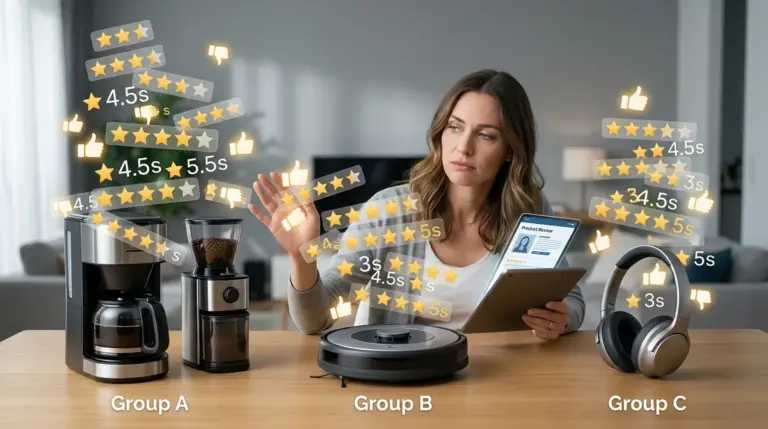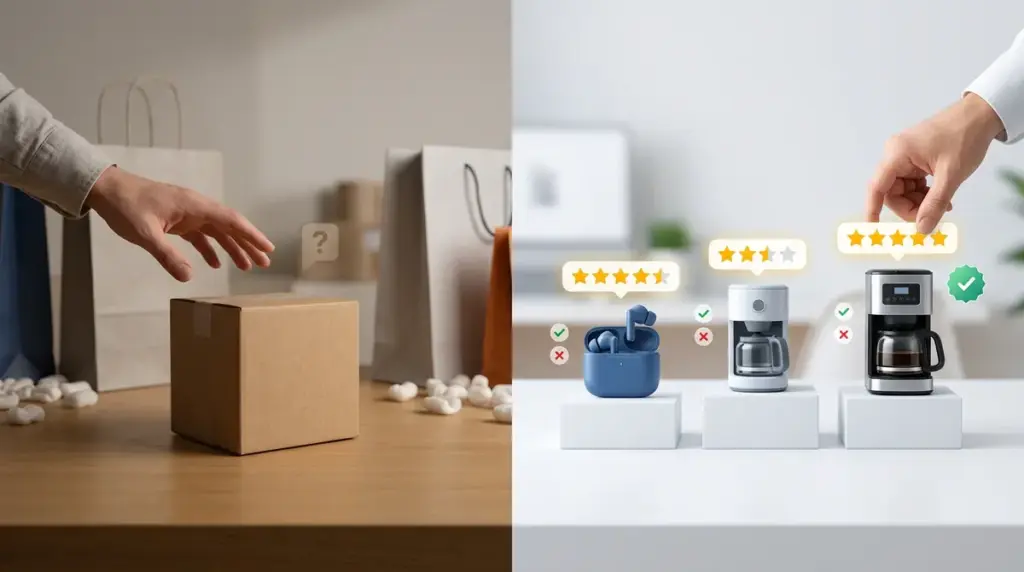
The traditional marketing funnel, where a brand controls the narrative from awareness to purchase, has collapsed. In its place is a decentralized ecosystem of user-generated feedback that dictates market share more effectively than any multi-million dollar ad campaign. Today, 93% of consumers report that online reviews impact their purchasing decisions, but the shift goes deeper than mere star ratings. We have moved from a "brand-led" economy to a "peer-led" economy, where the collective voice of previous buyers acts as the ultimate gatekeeper for new customer acquisition.
The Erosion of Brand Authority and the Rise of Peer Consensus
Before the ubiquity of smartphones and third-party review aggregators, brands held a monopoly on information. If a company claimed their product was "the best in its class," consumers had few tools to verify that claim beyond word-of-mouth from immediate social circles. Now, the "Zero Moment of Truth"—a term coined by Google to describe the research phase before a purchase—is dominated by third-party validation.
Modern buyers treat reviews as a form of risk mitigation. Every purchase represents a potential loss of time, money, and social capital. By consulting reviews, buyers outsource their due diligence to a global network of strangers. This has effectively neutralized traditional advertising; a high-gloss video ad can be instantly debunked by a single, high-authority review detailing a product's failure after three months of use. For businesses, this means the cost of a poor product is no longer just a refund—it is a permanent, searchable stain on their digital reputation.
The Psychology of the "Negative Filter"
Counter-intuitively, the presence of negative reviews often increases conversion rates. Data suggests that consumers are suspicious of perfect 5.0-star ratings, often perceiving them as curated or fraudulent. A mix of feedback—specifically a rating between 4.2 and 4.7—is generally viewed as the most authentic. Buyers look for "calculated risks"; they read negative reviews to see if the product's flaws are deal-breakers for their specific use case. For example, a software buyer might ignore complaints about a complex UI if the review confirms the backend integration is flawless.
Metrics That Matter: Velocity, Recency, and Sentiment
Search engines and consumers alike have become sophisticated in how they weigh feedback. It is no longer enough to have a high volume of reviews if they are three years old. Review culture has forced businesses to focus on three specific pillars of reputation management:
- Review Recency: 83% of consumers believe reviews must be recent to be relevant. A product with 500 reviews from 2019 is less trustworthy than a product with 50 reviews from the last three months.
- Review Velocity: The rate at which new reviews are posted. A sudden spike in reviews can trigger fraud filters on platforms like Amazon or Google, while a steady stream signals consistent customer satisfaction.
- Sentiment Depth: One-word reviews ("Great!") carry almost no weight in modern SEO or consumer trust. Platforms now prioritize "high-utility" reviews that include specific details, photos, or videos.
Warning: Avoid the temptation to "gate" reviews by only sending invite links to customers you know are happy. This creates an unnatural review profile that can lead to platform penalties and a loss of consumer trust when the inevitable unfiltered feedback surfaces elsewhere.
Review Platforms as Primary Search Engines
For many verticals, the buyer journey no longer starts on a general search engine. It starts on a niche-specific review platform. In the SaaS world, users go directly to G2 or Capterra. In the hospitality sector, they start with TripAdvisor or Five Reviews. In local services, Google Maps and Yelp are the primary discovery tools.
This shift has turned review management into a core SEO function. User-generated content (UGC) within reviews provides a constant stream of long-tail keywords and semantic context that a brand's own copywriters might miss. When a customer writes, "this vacuum is the best for picking up golden retriever hair on hardwood," they are creating a highly specific, high-intent search result that the brand can rank for without lifting a finger.
The Impact of the Response Loop
Review culture has also changed the expectations for customer service. A review is no longer a one-way broadcast; it is the start of a public conversation. Brands that respond to reviews—especially negative ones—see an average 16% boost in customer loyalty. A professional, solution-oriented response to a complaint demonstrates to future buyers that the company is accountable. The response isn't just for the person who complained; it is a performance for every prospect currently lurking on the page.
Strategic Implementation of Review Data
Beyond marketing, review culture provides a free, real-time R&D department. Companies that treat reviews as data points rather than just "stars" can identify systemic product flaws or untapped market needs. If 20% of your negative reviews mention a specific missing feature, your product roadmap is already written for you.
Best for: Product managers and marketing directors looking to align their value proposition with actual customer experience. Use review scraping tools to perform sentiment analysis on competitors to find their "weak spots" and highlight those as your strengths in your own copy.
Auditing Your Brand’s Review Footprint
To stay competitive in a review-driven market, you must move beyond passive observation. Follow these steps to ensure your brand is positioned correctly:
First, identify the "Source of Truth" for your industry. Where do your highest-value customers go when they want to verify a claim? Focus your review acquisition efforts there rather than spreading them thin across every possible platform. Second, automate the request process. The best time to ask for a review is immediately after the "aha moment"—when the customer has first realized the value of your product. Third, integrate reviews into your own sales funnel. Don't hide them on a dedicated "Testimonials" page; embed them at the point of friction, such as the checkout page or the pricing table, to provide that final nudge of social proof.
FAQ
How do I handle a fake negative review?
Do not get emotional or aggressive. Flag the review for a violation of terms of service with the platform. Simultaneously, reply publicly and professionally, asking for order details to "verify the account." If it is fake, the reviewer will rarely respond, and your professional reply will signal to other readers that the claim is likely fraudulent.
Should I offer discounts in exchange for reviews?
Most major platforms, including Google and Amazon, strictly prohibit incentivized reviews. Doing so can lead to your entire profile being nuked. Instead, focus on "low-friction" requests, such as SMS links or QR codes on packaging, to make the process as easy as possible for genuine customers.
What is the most important factor in a review?
While the star rating is the first thing people see, the "narrative" is what converts. A review that describes a specific problem and how the product solved it is worth more than ten 5-star ratings with no text. Encourage customers to be specific by asking guided questions in your follow-up emails.