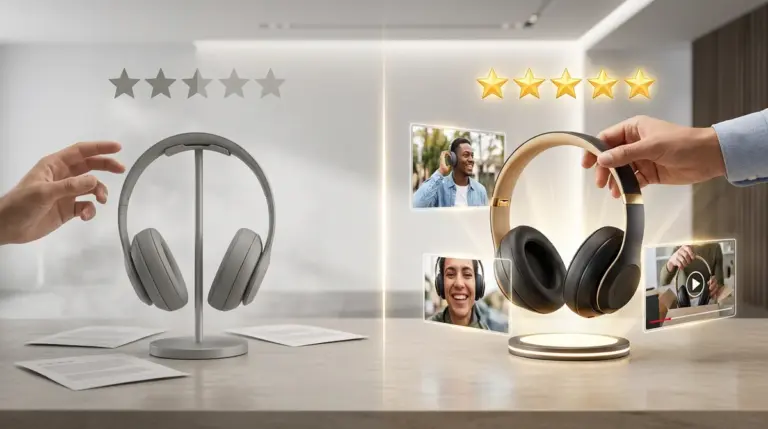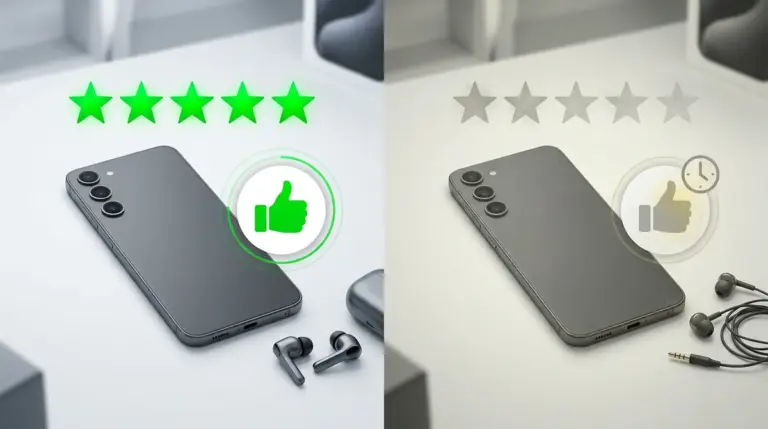
The fundamental difference between an impulse buyer and a comparison shopper lies in their perception of risk. For the impulse buyer, the purchase is a low-stakes emotional gratification where the star rating acts as a binary "go/no-go" signal. For the comparison shopper, the purchase is a problem-solving exercise where reviews serve as technical documentation. Understanding how these two cohorts navigate review data allows marketers to structure product pages that capture quick conversions without alienating the high-intent researchers who drive long-term lower return rates.
The Information Density Gap
Impulse buyers typically engage with reviews at a surface level. They prioritize the aggregate score and the total number of reviews to establish social proof. If a product has 4.5 stars and 2,000 ratings, the impulse buyer feels the "herd" has already vetted the product. They rarely scroll past the first three featured reviews, which are often selected by algorithms for their brevity and positive sentiment.
Best for: Low-cost consumer goods, fashion accessories, and trending gadgets where the "cost of error" is under $50.
In contrast, comparison shoppers treat reviews as a stress test. They are looking for specific failure points. They will bypass the five-star "Great product!" comments to find the three-star reviews. These "middle-of-the-road" assessments are perceived as more objective because they usually list specific pros and cons. A comparison shopper is not looking for perfection; they are looking for a set of flaws they can live with.
Filtering Strategies and Search Intent
While an impulse buyer might glance at the "Most Relevant" sort, a comparison shopper immediately manipulates the data. They prioritize "Most Recent" to ensure the product hasn't suffered from "silent revisions"—where a manufacturer swaps high-quality components for cheaper ones after the initial review surge. They also use the search-within-reviews function to look for technical keywords relevant to their specific use case.
- Compatibility: Does the software work with specific legacy hardware?
- Durability: Does the material degrade after six months of daily use?
- Ergonomics: Does the "one size fits all" claim hold up for users in the 90th percentile of height or weight?
- Customer Support: How does the brand handle a "Dead on Arrival" (DOA) unit?
The Utility of Negative Reviews
For a comparison shopper, a negative review is often more valuable than a positive one. They use negative feedback to categorize the "type" of failure. If a negative review complains about a long shipping delay, the comparison shopper ignores it because it doesn't reflect product quality. However, if a review mentions a specific thermal throttling issue in a laptop, that becomes a deal-breaker. They are filtering for "substantive negatives" versus "logistical gripes."
Pro Tip: Do not hide or delete critical reviews. Comparison shoppers view a 100% five-star rating as a signal of review fraud or aggressive moderation. A transparent mix of reviews increases the "authenticity score" for high-intent buyers, even if the average drops slightly.
The External Validation Loop
Impulse buyers stay within the ecosystem of the retailer. If they are on an e-commerce platform, they stay on that tab until the checkout is complete. Comparison shoppers, however, treat the product page as just one data point in a larger research loop. They will cross-reference on-site reviews with third-party platforms, specialized forums, and video demonstrations. Comparison shoppers will cross-reference on-site reviews with third-party platforms, specialized forums, and video demonstrations, as they trust written reviews more than video testimonials.
They are looking for "unfiltered" consensus. If the on-site reviews are glowing but a Reddit thread from three weeks ago mentions a widespread firmware bug, the comparison shopper will abandon the cart. To retain these users, brands must ensure their "off-site" reputation matches their "on-site" marketing. This is why SEO professionals focus on "brand + reviews" search results; it is the primary battlefield for the comparison shopper.
Optimizing Review Sections for Both Buyer Types
To maximize conversion across both segments, the review architecture must be tiered. The top level should serve the impulse buyer with visual summaries: star distributions, "verified purchase" badges, and top-rated photos. This provides the immediate dopamine hit and social proof required for a quick "add to cart."
The secondary level must serve the comparison shopper. This involves implementing a robust tagging system where reviews are categorized by "Attributes" (e.g., "Battery Life," "Ease of Setup," "Value for Money"). By allowing a user to click a tag and see all reviews specifically mentioning battery life, you reduce the friction of their research process. You are essentially doing the work of a comparison shopper for them, which keeps them on your page longer and reduces the likelihood of them leaving to search elsewhere.
Strategic Implementation for High-Ticket Items
When the price point exceeds $500, almost every buyer becomes a comparison shopper by necessity. In these niches—such as enterprise software, high-end electronics, or medical equipment—the "impulse buy" is virtually non-existent. Here, the depth of the review is more important than the volume. A single 1,000-word review from a recognized industry expert carries more weight than 500 one-sentence ratings.
Best for: B2B SaaS, industrial tools, and luxury goods where the replacement cycle is measured in years, not months.
Building a Review Ecosystem That Converts
To win the comparison shopper, you must provide the tools for their investigation. This means offering a comparison table against your own previous models or direct competitors within the review interface. If you don't provide the comparison, they will go to a third-party site to find it, and you lose control of the narrative. By hosting the comparison—and the accompanying user feedback—you position the brand as an authority that is confident enough to let the data speak for itself. Focus on transparency, keyword-rich user content, and chronological honesty to bridge the gap between a casual browser and a committed buyer.
Frequently Asked Questions
How do comparison shoppers spot fake reviews?
Comparison shoppers look for patterns in language, such as repetitive "marketing speak," a lack of specific detail, and clusters of five-star reviews posted within a very short timeframe. They also check if reviewers have a history of reviewing diverse products or if they only have one "perfect" review on their profile.
Why do impulse buyers ignore long-form reviews?
Impulse buyers are driven by "cognitive ease." They want to minimize the mental effort required to make a decision. Long-form reviews introduce "cognitive friction," forcing the buyer to weigh pros and cons, which can lead to decision fatigue or "buyer's remorse" before the purchase is even made.
Should brands respond to every review to satisfy comparison shoppers?
No. Comparison shoppers are specifically looking for how a brand handles conflict. Responding to every "Great!" review looks like automated fluff. However, a detailed, professional response to a technical complaint shows the comparison shopper that the brand provides post-purchase support, which is a significant factor in their decision-making process.
Does the "Verified Purchase" tag matter to both groups?
Yes, but for different reasons. For the impulse buyer, it is a quick trust signal. For the comparison shopper, it is a baseline requirement. A comparison shopper will often discount any review that does not carry a verified badge, regardless of how detailed the content is.