In a digital marketplace saturated with synthetic praise and bot-generated feedback, the average shopper has developed a sophisticated filter for authenticity. Trust is no longer granted to the highest star rating; it is earned through specific linguistic markers, reviewer metadata, and the presence of "helpful" friction. For a brand or publisher, understanding why a shopper ignores one five-star review but acts on another is the difference between a high bounce rate and a completed checkout. This analysis breaks down the psychological and technical triggers that validate a stranger’s opinion in the eyes of a skeptical buyer.
The Power of Concrete Nouns and Situational Specificity
Generic praise like "great product" or "fast shipping" carries almost zero weight in modern e-commerce. These phrases are easily mimicked by low-quality AI or paid review farms. Shoppers gravitate toward reviews that use concrete nouns and describe specific use-case scenarios. When a reviewer mentions that a pair of hiking boots "held up during a six-mile trek through the slush of the Pacific Crest Trail" rather than just saying they are "durable," they provide a mental anchor for the reader.
Best for: High-ticket items where the cost of a wrong purchase is significant.
Specificity acts as a proxy for experience. A shopper trusts a stranger who describes a limitation—such as "the charging cable is only three feet long, which is tight for bedside use"—more than a reviewer who offers unmitigated acclaim. This level of detail suggests the reviewer has actually integrated the product into their daily life, moving the review from "marketing copy" to "field report." Ultimately, the way a review is written can show how review tone influences conversion more than a simple star rating.
The Blemish Effect and the 4.7-Star Sweet Spot
Perfection is a red flag. Data across multiple consumer categories suggests that products with a perfect 5.0 rating often convert at a lower rate than those in the 4.2 to 4.7 range. This is known as the "Blemish Effect." When a shopper sees a handful of three- or four-star reviews that mention minor, subjective flaws, the overall credibility of the review profile increases.
Shoppers look for "cons" that don't apply to them. If a reviewer complains that a laptop is "too heavy for frequent travel," a user who intends to use it as a desktop replacement views that negative review as a confirmation of the build quality. By including minor negatives, the reviewer proves they are not a brand advocate or a bot, making their positive remarks significantly more persuasive.
Warning: Review profiles that lack any critical feedback or "verified purchase" badges are increasingly flagged by browser extensions and savvy consumers as fraudulent. A sanitized review section is a conversion killer.
Reviewer Metadata and Social Hierarchy
Trust is often transferred from the platform to the reviewer based on the metadata surrounding the comment. Shoppers look for specific badges that verify the stranger’s standing within the community. These include:
- Verified Purchase Badges: The single most important trust signal, confirming the reviewer actually exchanged currency for the item.
- Reviewer History: A stranger who has reviewed 50 different items over three years is more trustworthy than an account created yesterday that has only reviewed one specific product.
- Top Contributor Status: Badges like "Vine Voice" or "Top 100 Reviewer" indicate that the platform itself has vetted the user’s consistency.
- Helpful Votes: The "14 people found this helpful" tag acts as a peer-reviewed endorsement, signaling that other shoppers have already done the legwork of vetting the review’s accuracy.
The Visual Proof of User-Generated Content
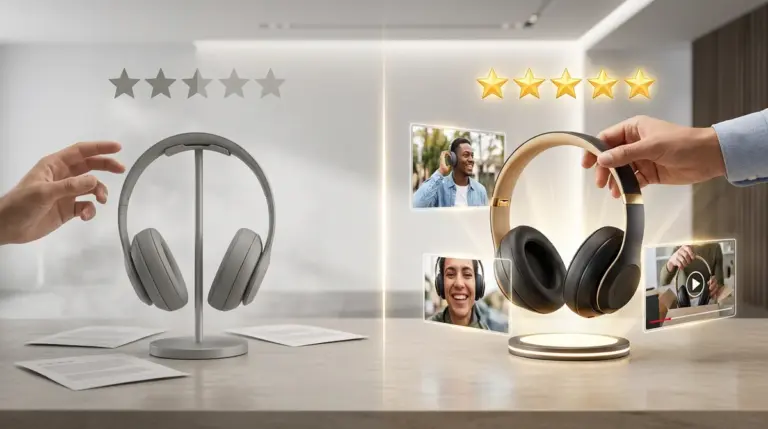
A stranger’s words are often secondary to their photos. High-production brand photography is expected to be perfect, but it is also viewed as biased. When a reviewer uploads a grainy, unedited photo of the product in a real living room or an unboxing video in natural light, it provides a "truth-check" against the brand’s marketing assets.
Shoppers look for visual cues that the product matches the description. They want to see the real texture of the fabric, the actual scale of the device next to a common object like a coffee mug, and the packaging it arrives in. A review with an attached photo is statistically more likely to be read and trusted than a text-only entry, regardless of the star rating.
Linguistic Patterns and Emotional Resonance
The "voice" of a review dictates its perceived honesty. Shoppers are subconsciously put off by reviews that use overly formal language or marketing jargon. Conversely, they trust reviews that mirror their own internal monologue. This includes the use of first-person narratives and emotional honesty.
If a reviewer says, "I was worried this wouldn't fit my wide feet, but I was pleasantly surprised," they are addressing a common pain point. This "problem-solution" narrative structure is highly effective because it mirrors the shopper’s own journey. The stranger becomes a surrogate for the shopper, testing the waters so the buyer doesn't have to.
The Recency Bias in Consumer Trust
A five-star review from 2018 is functionally useless to a shopper in 2024. Trust decays over time due to potential changes in manufacturing, software updates, or brand ownership. Shoppers prioritize the "Newest" filter to see if the current quality matches the historical reputation. If the last six months of reviews show a dip in quality, the stranger who wrote a glowing review three years ago is immediately discounted. This is why understanding how review recency matters can significantly impact purchasing decisions in rapidly evolving markets.
Optimizing the Review Experience for Maximum Conversion
To leverage these trust triggers, brands and publishers must move beyond simply collecting stars. The goal is to facilitate high-utility feedback that answers the shopper's unasked questions. This involves encouraging reviewers to provide context, such as their height/weight for apparel or their specific industry for B2B software.
Implementing a "Search Reviews" function allows shoppers to find strangers who share their specific concerns. When a user can search for "battery life" and find 10 reviews discussing that exact metric, the collective weight of those strangers’ opinions creates a consensus that is difficult to ignore. Finally, responding to reviews—especially critical ones—humanizes the brand and shows that the feedback loop is active, further validating the reviewer's effort and the shopper's trust.
Frequently Asked Questions
Why do shoppers trust negative reviews more than positive ones?
Negative reviews are perceived as having less bias. Shoppers use them to identify "deal-breakers." If the flaws mentioned are irrelevant to the buyer’s needs, the negative review actually reinforces the decision to buy by making the positive reviews feel more authentic.
How many reviews does a product need before a stranger is trusted?
While there is no magic number, most consumers look for a "critical mass" of 20 to 50 reviews. This volume suggests that the sentiment isn't an outlier or the result of a few friends and family members leaving feedback.
Does the length of a review impact its trustworthiness?
Yes, but only to a point. Mid-length reviews (200–500 characters) that balance pros and cons are generally viewed as more helpful than one-sentence blurbs or multi-page essays, which can feel like "ranting" or "paid blogging."
What is the most important trust signal in a review?
The "Verified Purchase" badge remains the gold standard. It removes the primary doubt—whether the reviewer has actually used the product—allowing the shopper to focus on the content of the feedback rather than its origin.