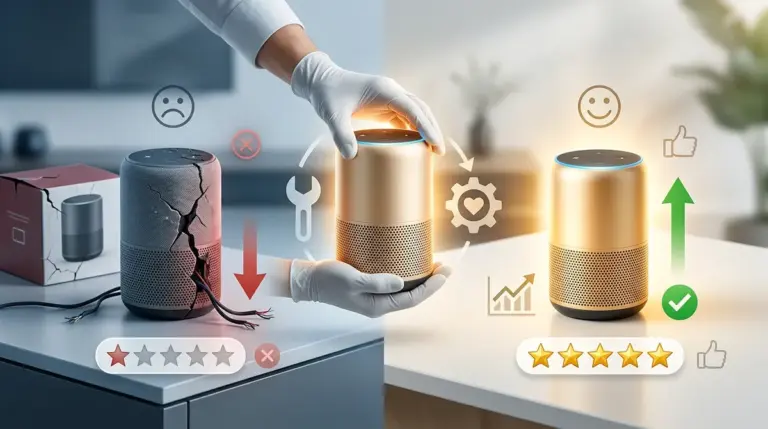
A brand’s reliability is rarely found in its whitepapers or polished case studies; it is buried in the ticket resolution times and post-onboarding frustrations documented by its current users. For SEO agencies and software buyers, service reviews function as a raw data feed that reveals the gap between a marketing promise and operational reality. Reliability in this context isn't just about a product working; it is about the consistency of support, the stability of the tech stack, and the brand's behavior when a system failure occurs.
Review Velocity as a Metric for Operational Health
The sheer volume of reviews is a vanity metric, but review velocity—the frequency at which new reviews appear—is a diagnostic tool for current reliability. A legacy brand with 5,000 five-star reviews from 2018 but only three reviews in the last six months suggests a stagnant product or a declining user base. Conversely, a steady stream of recent feedback indicates an active, evolving service that is currently being tested by the market.
Best for: Identifying whether a service provider is currently investing in their product or merely harvesting a legacy user base.
The Recency Bias vs. Long-term Stability
When auditing a service for reliability, the last 90 days of feedback outweigh the previous three years. Look specifically for mentions of "recent updates" or "new interface." If a brand's recent reviews show a sudden spike in complaints regarding latency or broken features, it indicates a failure in their QA (Quality Assurance) process during a deployment. Reliability is a moving target; a brand that was stable last year may be struggling with technical debt or scaling issues today. Sudden spikes in complaints can signal underlying issues, but also present opportunities for effective customer service recovery efforts to be demonstrated.
Identifying Critical Failure Patterns in Support Feedback
Reliability is most visible when things go wrong. Service reviews teach us how a brand handles friction. Instead of looking for "good" or "bad" ratings, look for specific operational keywords: "billing error," "API downtime," "ignored ticket," or "account manager turnover." Service reviews specifically highlight how brands are handling friction and resolving issues, making them a crucial source for understanding negative feedback themes.
- Support Lag: If multiple reviews mention a 48-hour wait time for critical issues, the brand lacks the infrastructure to support its current client volume.
- Feature Parity: Look for complaints about features that exist in the marketing copy but are "buggy" or "in beta" in practice. This reveals a lack of integrity in the sales process.
- Billing Transparency: Frequent mentions of "difficult to cancel" or "unexpected charges" are immediate red flags for corporate ethics, which correlates directly with long-term service reliability.
Response Strategy as a Proxy for Maturity
How a brand responds to a negative review is a direct preview of their customer success department. A boilerplate "We're sorry you feel this way" response indicates a brand that prioritizes PR over problem-solving. A detailed response that addresses specific technical hurdles or offers a direct line to a senior manager suggests an organization with the authority and intent to fix systemic issues.
Pro Tip: Search reviews for the term "workaround." If users are consistently sharing manual fixes for the software’s shortcomings, it indicates the brand is slow to ship official patches, forcing the client to bear the operational cost of their technical debt.
The Delta Between Marketing Claims and User Experience
Reliability is defined by the narrowness of the gap between what is sold and what is delivered. Service reviews allow buyers to perform a "gap analysis." For example, if an SEO tool claims "real-time data" but reviews consistently mention a 24-hour lag, the brand is failing the reliability test on its core value proposition.
For agencies, this delta is dangerous. If you white-label a service or rely on a third-party API to report to your clients, their unreliability becomes your unreliability. Reviews help you identify which vendors will protect your reputation and which will jeopardize it with "ghost" features that don't perform under load.
Using Third-Party Data to Vet Enterprise Stability
Enterprise-level reliability requires more than just a functioning dashboard; it requires financial and structural stability. Service reviews often hint at internal shifts before they become public knowledge. A sudden wave of reviews mentioning "new management" or "loss of my original point of contact" often signals a merger, acquisition, or internal restructuring—all of which typically precede a dip in service quality as the company focuses on internal integration rather than external delivery.
Best for: Agencies looking for long-term partners where consistency of account management is as important as the software itself.
Building a Reliability Checklist Before You Buy
To move beyond surface-level sentiment, use a structured approach to analyze reviews before committing to a high-tier contract. This process removes the emotional weight of "angry" reviews and focuses on repeatable data points.
First, filter for 3-star and 4-star reviews. These are typically the most objective, as they acknowledge the product's value while clearly articulating its limitations. Second, cross-reference review dates with the brand’s "What’s New" or "Changelog" pages. If a major bug reported in a review six months ago hasn't been addressed in the changelog, the brand has a slow resolution cycle.
Finally, look for "Scale Stress." Do reviews from small businesses praise the tool while reviews from large agencies complain about bulk processing or multi-user permissions? This tells you exactly where the brand’s reliability ceiling sits. If your agency is growing, you need a partner whose reliability scales with your volume, not one that breaks the moment you add your tenth team member.
Common Questions Regarding Service Reliability
How many reviews are needed to judge a brand's reliability?
Volume matters less than consistency. A sample of 20-30 detailed reviews over the last six months is usually enough to identify recurring technical issues or support bottlenecks. Look for patterns, not outliers.
Are 5-star reviews reliable indicators of a brand?
Not in isolation. Many 5-star reviews are solicited immediately after a positive sales call, before the user has actually implemented the service. Focus on reviews from users who have been with the brand for at least 6 to 12 months.
What is the biggest red flag in a service review?
The "Unresolved Critical Failure." If a user reports a loss of data or a prolonged system outage and the brand's response is defensive or dismissive, it indicates a fundamental lack of accountability that will eventually impact your business.
Should I trust reviews on the brand’s own website?
Generally, no. These are curated testimonials designed for conversion. To assess reliability, use independent third-party platforms where the brand cannot delete or hide negative feedback that contains specific technical criticisms.