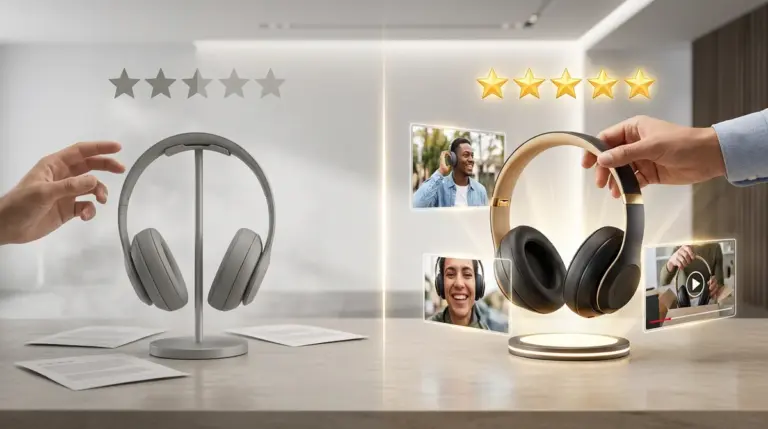
Modern consumers have developed a sophisticated defense mechanism against the saturation of polished marketing: the "1-star filter." When a buyer lands on a product page, they rarely start with the five-star testimonials. Instead, they navigate directly to the negative feedback to establish the "floor" of their experience. They aren't looking for reasons not to buy; they are looking for the specific ways a product might fail them, allowing them to decide if those failures are acceptable trade-offs for the price point.
The Psychology of Risk Mitigation and Loss Aversion
The drive to seek out negative reviews is rooted in loss aversion, a psychological principle suggesting that the pain of losing is twice as powerful as the joy of gaining. In a commercial context, a consumer is more concerned with avoiding a $100 mistake than they are with achieving a $100 benefit. By reading the worst reviews, a shopper performs a pre-purchase audit of the potential downside. This psychological bias explains why shoppers often remember negative reviews more than positive ones when making a purchase.
Best for: High-ticket items or technical software where the cost of switching or returning is high.
Negative reviews provide a "worst-case scenario" roadmap. If a buyer sees ten 1-star reviews complaining about slow shipping but they aren't in a rush, the negative feedback actually increases their confidence in the product itself. The "worst" part of the experience has been identified and deemed irrelevant to their specific needs.
Identifying "Deal-Breakers" vs. "User Error"
Experienced buyers use negative reviews to filter for competency. They look for patterns that distinguish between a fundamental product flaw and a customer who simply didn't read the manual. A review stating "The software is garbage because it doesn't have Feature X" is often ignored if the product description clearly states Feature X isn't included. However, a review stating "The software crashed three times during a standard export" is a technical red flag that carries significant weight.
The Trust Gap in a 5-Star World
The "perfect" rating has become a liability. Consumers are increasingly skeptical of products with a clean 5.0 average, often assuming the reviews are either incentivized, filtered by the brand, or outright faked. A 4.2 to 4.7 rating is statistically the "sweet spot" for conversion because it suggests a realistic mix of human experiences.
When a consumer searches for the worst reviews and finds none, or finds only generic "Great product!" fluff, their internal alarm goes off. They suspect the brand is hiding something. Negative reviews provide the necessary friction that makes the positive reviews believable. Without the shadow, the light feels artificial.
Warning: Deleting or hiding negative reviews is a high-risk strategy that often backfires. Modern consumers can detect "review grooming" through third-party transparency tools or by noticing a lack of specific, critical detail in the feedback section. Once trust is lost, the cost of acquisition triples.
Pattern Recognition and the Search for Consistency
Consumers are intuitive data analysts. They don't look at a single 1-star review in isolation; they look for clusters. If five different people over three months mention that a specific component of a physical product broke after two weeks, the buyer recognizes a manufacturing defect. If the complaints are scattered and contradictory—one person hates the color, another hates the size—the buyer assumes these are subjective preferences rather than objective failures.
- Temporal Relevance: Buyers check if the "worst" reviews are from three years ago or last week. A cluster of recent negatives suggests a decline in quality control or a buggy software update.
- Response Quality: How a brand responds to a 1-star review is often more influential than the review itself. A defensive or generic response confirms the buyer's fears, while a proactive, solution-oriented response mitigates them.
- Specific Use Cases: Negative reviews often reveal how a product performs under stress or in niche environments that the marketing copy ignores.
The Pratfall Effect: Why Imperfection Sells
In social psychology, the Pratfall Effect suggests that people who are generally competent become more likable after making a mistake. This translates directly to e-commerce. A brand that acknowledges its flaws and displays its negative reviews openly appears more "human" and trustworthy. This transparency reduces the perceived risk because the buyer feels they are getting the full picture, not a curated sales pitch.
The Role of Metadata in Review Filtering
Search engines and on-site search bars have made it easier than ever to find the "worst" content. Users frequently search for "[Product Name] + problems" or "[Brand Name] + complaints." If a brand does not host these conversations on their own site, the consumer will go to Reddit, Quora, or third-party forums where the brand has zero control over the narrative. By hosting a robust, unfiltered review section, brands keep the consumer on their domain, even while the consumer is researching the negatives.
Operationalizing Negative Feedback for Better Conversion
To turn the "search for the worst" into a conversion tool, marketers should focus on the structure of their review displays. Instead of just showing the rating, allow users to filter by "most helpful negative" or "verified purchase only." This demonstrates a level of confidence that suggests the brand has nothing to hide.
Practical Tip: Use the language found in negative reviews to update your FAQ or product descriptions. If people keep complaining that a shirt "runs small," add a prominent note to the sizing chart. This preemptively addresses the 1-star concern before it happens, reducing return rates and improving long-term sentiment.
Optimizing the Feedback Loop
Rather than fearing the 1-star search, brands should treat it as a high-intent signal. A user looking for the worst reviews is deep in the consideration phase; they are looking for a reason to say "yes" despite the risks. Facilitating this search with clear filters and honest responses shortens the sales cycle by providing the transparency the modern buyer demands. Brands that embrace this transparency effectively reduce risk in online buying for their customers, fostering trust and loyalty.
Focus on these three pillars to manage the "worst review" search effectively:
1. Verification: Ensure negative reviews are from verified buyers to prevent competitor sabotage.
2. Context: Allow reviewers to list their "pros" alongside their "cons" so the negativity is balanced within the same post.
3. Resolution: Publicly close the loop. When a 1-star review is addressed and the customer is satisfied, ensure that the resolution is visible to future shoppers.
Common Questions Regarding Negative Review Psychology
Do negative reviews always hurt conversion rates?
No. A small percentage of negative reviews can actually increase conversion by making the positive reviews more credible and helping buyers self-select out of products that aren't a fit for them, which reduces return rates.
What is the most common reason people look for 1-star reviews?
The primary reason is risk assessment. Buyers want to know the "worst-case scenario" for their purchase to see if they can live with the potential downsides.
Should I respond to every negative review?
Priority should be given to reviews that highlight objective product failures or shipping issues. Responding to subjective "I didn't like the style" reviews is less critical than addressing "The product arrived broken."
How many negative reviews are too many?
There is no magic number, but if negative reviews exceed 15-20% of your total volume, it usually indicates a systemic issue with the product, shipping, or customer service that needs immediate intervention.