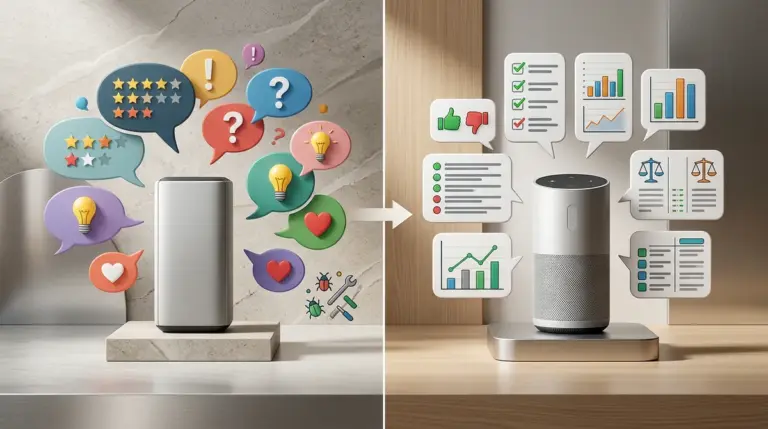


Selecting a software stack or a service provider based on a 14-day trial is the most common way agencies and publishers burn through their operational budgets. A slick interface and a frictionless onboarding sequence can mask significant technical debt or architectural limitations that only surface after three months of heavy use. For an SEO professional managing fifty accounts or a publisher handling millions of monthly sessions, the cost of a tool isn't just the monthly subscription; it is the labor cost of migration and the data loss incurred when a platform fails to scale.
The Onboarding Mirage and the Churn Trap
Software vendors invest heavily in the "First 48 Hours" of a user's experience. This is the onboarding mirage—a period where the UI is clean, the sample data is perfect, and the support team is hyper-responsive to ensure you pass the refund window. A first-impression review often praises the "intuitive dashboard" or "fast setup," but these metrics are irrelevant to a business's bottom line after the first week.
Long-term reviews track the operational fatigue of a tool. This includes how many clicks it takes to perform repetitive weekly tasks, whether the reporting engine slows down as the database grows, and how the software handles edge cases that the sales demo ignored. A tool that saves ten minutes during setup but adds five minutes to every weekly report will cost an agency hundreds of billable hours over a year.
Infrastructure Stability and Data Integrity Over Time
First impressions cannot account for uptime history or the consistency of data scraping. In the SEO world, data volatility is a constant threat. A review written after six months of use will note whether a rank tracker or backlink crawler maintained its accuracy during major search engine core updates. It reveals if the vendor's infrastructure is robust enough to handle global outages or if they rely on a single, fragile point of failure.
Best for: Enterprise buyers who require 99.9% uptime and historical data continuity for year-over-year reporting.
- API Reliability: Does the API documentation match the actual output after version updates?
- Data Retention: Does the platform silently purge "old" data to save on storage costs?
- Export Flexibility: Can you get your data out as easily as you put it in, or is there a "walled garden" strategy in play?
The Evolution of Support and Feature Updates
A "great" support experience during a trial is often handled by a pre-sales engineer. Long-term reviews provide a window into the "Tier 2" reality. When a complex technical bug occurs four months into a contract, does the company provide access to developers, or are you stuck in a loop with a chatbot? Furthermore, long-term reviews document the vendor’s development roadmap. Some companies launch with a flurry of features and then pivot to "maintenance mode," where bugs linger for years while the marketing team focuses on new acquisitions rather than current user retention.
Warning: Be wary of tools that announce major feature pivots every quarter. This often indicates a lack of core product stability and a desperate attempt to capture new market segments at the expense of their existing user base.
Hidden Costs and Scaling Friction
First-impression reviews rarely touch on the "success tax." As your agency grows, many platforms introduce steep pricing tiers that weren't obvious at the entry level. A long-term review will highlight when a tool becomes prohibitively expensive or when its performance degrades under the weight of 500+ client projects. This is the difference between a tool that is "affordable for freelancers" and one that is "sustainable for agencies." This long-term perspective is crucial for understanding true value for money reviews that go beyond initial price points.
Assessing the Reviewer’s Methodology
To find a review that actually informs a buying decision, look for specific markers of longevity. If a reviewer doesn't mention how the tool performed during a specific industry event (like a Google Core Update or a Black Friday traffic spike), they likely haven't used it long enough to see it under pressure. Look for mentions of version numbers, specific bug fixes that occurred during their tenure, and how the billing department handled plan upgrades or downgrades.
A Strategic Framework for Evaluating Long-Term Viability
Before committing to a long-term contract or integrating a new tool into your core workflow, move beyond the feature list and evaluate these three pillars of longevity:
1. The Migration Exit Plan: Always check if the tool allows for bulk CSV or JSON exports of all historical data. If the tool makes it difficult to leave, the "first impression" of its utility is a trap.
2. The Update Cadence: Review the company’s changelog over the last 12 months. Are they fixing core bugs, or are they only adding "fluff" features that look good in marketing screenshots?
3. Community Sentiment vs. Paid Placement: Cross-reference professional reviews with long-term user threads on platforms like Reddit or specialized Slack communities. Look for recurring complaints about "silent errors" or "UI lag," which are classic signs of a tool that hasn't scaled its backend to match its user base.
Frequently Asked Questions
How long should I test a tool before committing to an annual plan?
For mission-critical SEO or marketing software, a minimum of 30 to 60 days is required. This allows you to run at least two full reporting cycles and experience at least one minor or major industry shift to see how the data responds.
What is the biggest red flag in a first-impression review?
The biggest red flag is a focus on aesthetics over utility. If a review spends more than 20% of its length praising the "clean UI" or "modern look" without discussing data export limits, API calls, or multi-user permission stability, it is a surface-level assessment.
Why do some tools perform well in trials but fail in production?
Trials often run on optimized "sandbox" environments or limited data sets. When you move to production and import thousands of keywords or hundreds of client seats, the tool's database architecture may struggle with the increased query load, leading to timeouts and data discrepancies.
Can I trust reviews that include affiliate links?
Affiliate links do not inherently invalidate a review, but they do require you to look for "negative specifics." A trustworthy long-term review will always list at least two or three specific technical deal-breakers or "cons" that would make the tool a bad fit for certain types of users.