

Brand management used to happen behind closed doors, dictated by PR departments and carefully curated press releases. Today, the balance of power has shifted to the public square. Public feedback—whether in the form of third-party reviews, social media discourse, or community forums—is no longer a secondary metric for customer service teams. It is a primary driver of search visibility, conversion rates, and long-term brand equity. For SEO professionals and site owners, ignoring this data stream means missing the most critical signals that modern search algorithms and human buyers use to determine trust.
The Structural Shift from Private Data to Public Proof
Historically, brands relied on private Net Promoter Scores (NPS) and internal surveys to gauge performance. While useful for internal benchmarking, this data is invisible to the market. Public feedback serves as a "trust bridge" that bridges the gap between what a company claims and what a customer experiences. This shift is driven by three specific market forces:
- Algorithm Sensitivity: Search engines have evolved to prioritize "Experience" within the E-E-A-T framework. Public reviews provide the quantifiable evidence of real-world experience that automated crawlers use to validate a brand's authority.
- The Zero-Click Reality: With more users finding answers directly on Search Engine Results Pages (SERPs), the star ratings and review snippets appearing in local packs and knowledge panels often determine a click before a user ever visits the actual website.
- Social Proof as a Conversion Lever: In high-consideration niches—such as SaaS, legal services, or high-end e-commerce—public feedback functions as a risk-mitigation tool for the buyer.
Quantifying the Impact on Search Rankings
Public feedback is a direct ranking factor for local SEO and an indirect factor for organic search. Google’s local algorithm specifically weighs review quantity, velocity, and diversity. A brand with a steady stream of fresh, detailed reviews will consistently outperform a legacy brand with a higher volume of outdated or generic feedback. Beyond local, the presence of brand mentions across third-party review sites signals to search engines that a brand is a legitimate entity with a real-world footprint, which is essential for surviving "Helpful Content" updates.
Integrating Feedback into the Conversion Funnel
Marketing teams often silo reviews into a "testimonials" page, which is a tactical error. Public feedback should be integrated at every friction point in the buyer’s journey. For example, placing specific, technical reviews on product pages can answer objections that a standard marketing copywriter might miss. If a customer mentions that a software tool integrates seamlessly with a specific legacy system, that feedback is more persuasive than a feature list.
Best for: Reducing cart abandonment and shortening the B2B sales cycle by addressing specific technical anxieties through peer-to-peer validation.
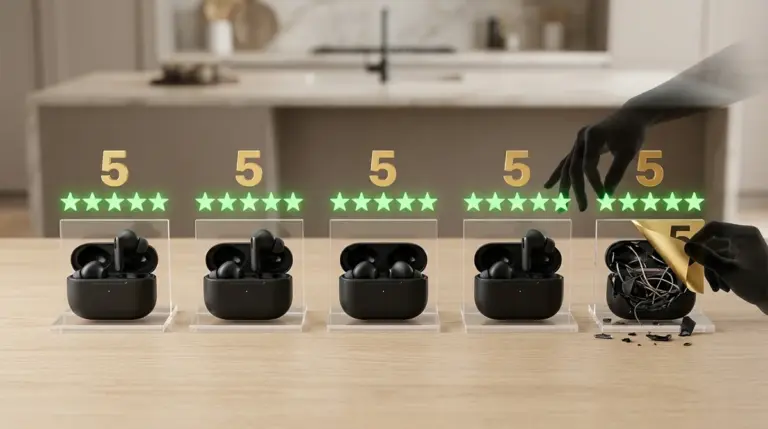
Warning: Do not attempt to "sanitize" your public profile by deleting every negative comment. A 5.0-star rating across thousands of reviews often triggers "perfection skepticism" in modern consumers. A 4.2 to 4.7 rating, featuring transparent and professional responses to criticism, typically converts at a higher rate because it appears authentic and human-led.
Using Feedback as a Product Development Roadmap
Public feedback is the most cost-effective R&D department a company can have. By analyzing the recurring pain points mentioned in 2-star and 3-star reviews, product managers can identify gaps in the user experience that internal testing might have overlooked. This creates a virtuous cycle: you improve the product based on feedback, which leads to better reviews, which leads to higher rankings and more sales.
Managing the Risks of Public Sentiment
The transparency of public feedback is a double-edged sword. A single viral negative review or a coordinated "review bombing" campaign can cause immediate financial damage. However, the risk is not in the feedback itself, but in the lack of a response framework. Brands that treat public feedback as a core strategy build "reputational insurance." By actively soliciting reviews during high-satisfaction moments, they build a buffer of positive sentiment that can withstand occasional negative outliers. This strategy ensures that trust is built in small public moments, not just during large, curated campaigns.
Platform Diversification and Authority
Relying on a single platform for feedback is a strategic vulnerability. If a brand only collects reviews on one major search engine's platform, they are at the mercy of that platform's algorithm changes or policy shifts. A robust strategy involves diversifying feedback across:
- Niche-Specific Directories: G2 or Capterra for SaaS; TripAdvisor for travel; Houzz for home improvement.
- Generalist Trust Platforms: Third-party aggregators that provide "Verified Buyer" badges.
- First-Party Data: Reviews collected directly on the site but marked up with Five Reviews snippets to ensure they are readable by search engines.
Operationalizing Your Feedback Strategy
To move beyond passive observation, brands must operationalize how they request, monitor, and respond to feedback. This requires a cross-departmental approach where the SEO team monitors the impact on rankings, the customer success team handles the responses, and the sales team uses the data to refine their pitch. The goal is to turn public sentiment into a structured data asset that informs every level of the business.
Key Metric to Watch: Review Velocity. It is not enough to have 500 reviews; you need 10 new reviews every month to signal to both users and search engines that your brand is active and currently meeting market standards.
Building a Feedback-First Growth Plan
To implement this as a core strategy, start by auditing your current public footprint. Identify where your customers are talking and where your competitors are outperforming you in terms of sentiment. Audit your transactional emails to find the optimal time to ask for feedback—usually immediately after the "value realization" moment, not just after the purchase. Finally, ensure that your technical SEO team is correctly implementing Review Schema to maximize the visibility of this feedback in the SERPs. By treating public feedback as a foundational element of your brand's digital infrastructure, you move from reacting to the market to actively shaping how the market perceives you.
Frequently Asked Questions
How do public reviews affect organic SEO beyond the local pack?
Public reviews contribute to a brand's overall E-E-A-T profile. Search engines use third-party sentiment to verify the "Trustworthiness" of a domain. High-quality, long-form reviews often contain long-tail keywords and natural language that help your brand appear in "best of" or comparison-based search queries.
Should we pay for a third-party review platform?
If your goal is to have "Google Seller Ratings" (the stars that appear in paid search ads), you must use a Google-licensed third-party review partner. For organic purposes, the choice depends on where your specific audience conducts their pre-purchase research. Paid platforms often provide better tools for automating the request process and managing "Verified Buyer" status.
What is the most effective way to handle a false negative review?
First, respond professionally and publicly, stating that you have no record of the transaction and inviting the reviewer to contact your support team. Second, use the platform's official dispute resolution process. Never engage in a public argument, as this often draws more attention to the negative review and can negatively impact your brand's perceived professionalism.
How often should we update our public feedback strategy?
Review your feedback strategy quarterly. Analyze which platforms are driving the most referral traffic and which ones have the highest conversion rates. Adjust your solicitation efforts to focus on the platforms that provide the most significant ROI for your specific business model.